
UK could follow Australia in banning social media for young teenagers
The Times 13 Sep 2024
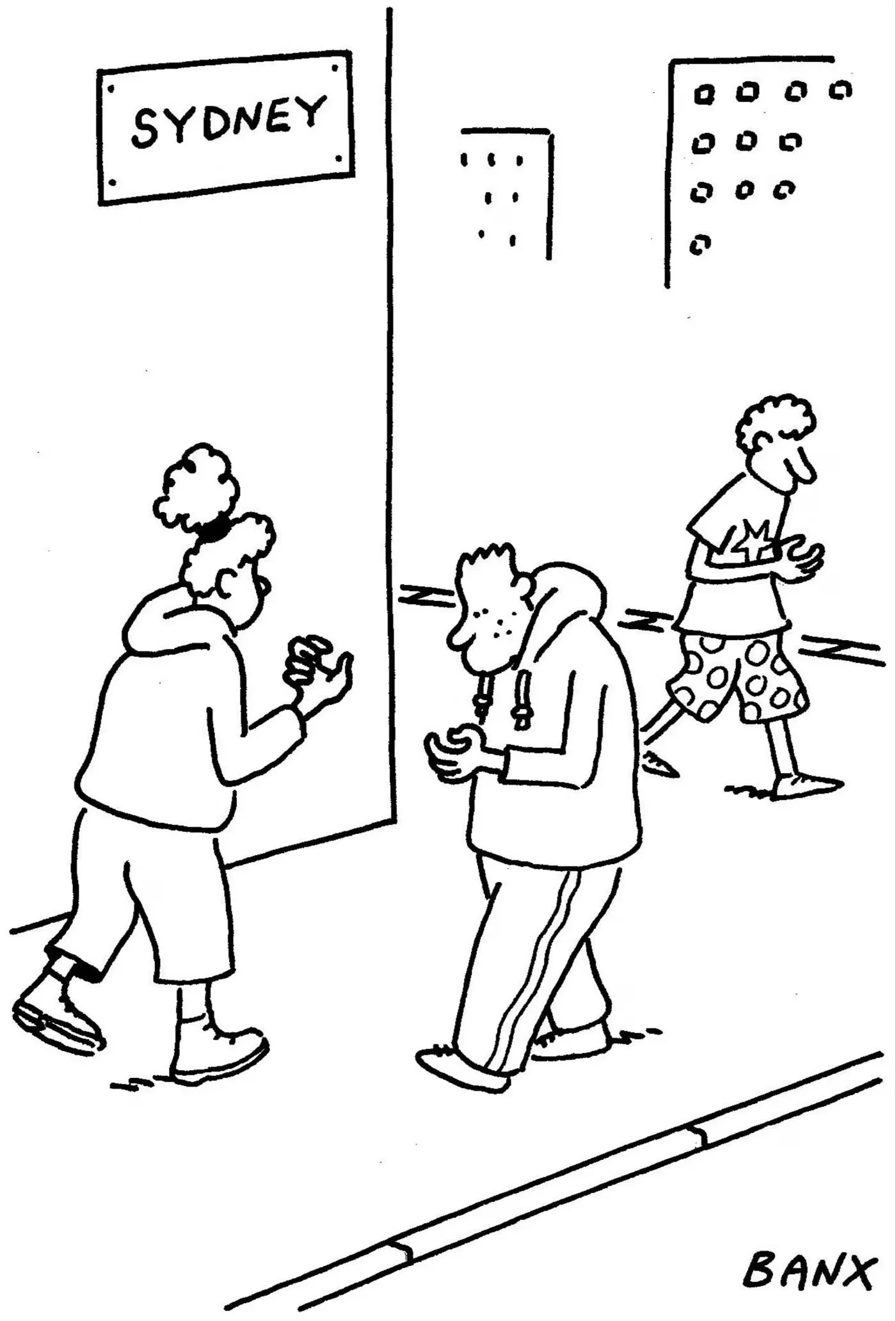
Image from Financial Times, 28 Nov 2025
Social Media, Children and the Limits of Both Markets and Governments
It is encouraging to see governments showing a growing willingness to push back against the profit driven incentives of the largest social media companies, particularly where children are concerned.
In recent months, and especially following Donald Trump’s second inauguration, many of the big technology firms have been quick to retreat from even their already limited attempts to restrict harmful content. Those earlier efforts were lacklustre at best. Their quiet rollback has made one thing clear. The wellbeing and development of young people sits a long way down the list of priorities for Zuckerberg and his peers.
In that context, the onus inevitably shifts to governments outside of the United States to offer greater protection to children within their borders. While I am broadly an advocate of free market incentives and profit maximisation, there are limits. When the health and development of young people is at stake, we cannot afford to wait for the market to self correct at its own pace. The time lag is simply too great, and the cost too high.
Children are not blind to the problem
One of the more hopeful trends I have observed recently is a growing awareness among teenagers themselves. Many of the young people I work with no longer instinctively push back against attempts to reduce screen time. Instead, they articulate a clear understanding of how excessive social media use affects their mood, focus and motivation.
Increasingly, pupils are seeking their own strategies to limit usage and reduce distraction. This kind of self regulation is encouraging, but in my experience it is far more common among those aged sixteen to eighteen than among younger pupils. A great deal of damage can be done before sixteen, and while lessons learned by older siblings and peers may eventually filter down as a counter culture, once again we cannot afford to sit back and wait for that momentum to build.
Is toxic influence as powerful as it appears?
There is rightly considerable concern and fears around so called toxic influencers. In my experience, the boys who buy into this content are far outnumbered by those who recognise it for what it is.
Even where young people do fall under its spell, the attraction is often shallow. Beneath the surface, there is usually a clear sense of discomfort with the messages being promoted. With guidance and re education from a trusted role model, this content rapidly loses its grip.
Where attachment does persist, it often points to something deeper. Again anecdotally, sustained engagement with harmful online figures tends to be a symptom rather than a cause. It is frequently associated with imbalance, unhappiness or unmet needs elsewhere. When those underlying issues are identified and addressed, the reliance on undesirable online influences often falls away naturally.
Schools are already showing leadership
Schools have moved decisively in recent years. Robust restrictions on mobile phone use are now increasingly the norm, and it is almost unfathomable to think that until recently unfettered access was widely permitted during the school day.
These policies give parents a valuable opportunity to mirror the same boundaries at home, something I would strongly encourage. Referring back to school rules allows parents to avoid becoming the sole enforcers, or the villains around the dinner table.
A government imposed ban would offer a similar benefit. Too often schools are expected to identify, interpret and correct broad social trends that sit far beyond their remit. Clear national leadership would allow schools, parents and pupils alike to point elsewhere, offering clarity rather than confusion.
The risks of government intervention must be acknowledged
None of this is to deny the risks of regulation. Wherever governments intervene, there is always the possibility of unintended consequences.
Just as individual users, adult as well as teenage, stand little chance in resisting the sophisticated, well funded expertise of big tech when it comes to digitally delivered dopamine on tap, governments face an equally daunting challenge in attempting to design loophole free legislation. A ban on a small number of large platforms may simply displace demand elsewhere.
If teenagers are pushed away from a handful of visible platforms that we are already familiar with towards hundreds of smaller, less regulated startups, the task of safeguarding may become significantly harder rather than easier. Regulation must be approached with realism as well as resolve.
Where the real battle lies
Ultimately, the long term solution does not rest solely with governments or technology companies. It lies in persuading school age users themselves of the costs of overexposure, while actively championing healthier alternatives for their attention and energy.
Delaying access to personal digital devices for as long as possible remains a sound strategy. Schools, with their increasingly firm policies, provide parents with a ready made justification that removes much of the friction at home.
Government action, if it comes, should be seen not as a silver bullet but as a supporting structure. One that gives families and schools the space they need to guide young people towards healthier, more balanced lives. They are an incredibly health conscious generation, far more so than those that have gone before them, and that awareness extends into the realms of mental as well as physical well being. With the right guidance and encouragement, if what I have noticed in the last 12 months is anything to go by at all, I believe the best hope in this battle ifor the long term, is for the younger users to make their own decision to move away from social media.
This means that role modelling healthy digital habits at home must be high up the agenda.
Sam James, December 2025
Original article: The Times 13 Sep 24, https://www.thetimes.com/uk/healthcare/article/ministers-consider-australia-social-media-ban-77bj2jrl7